Bee Therapy for Arthritis and Osteoarthritis: 7 Science-Backed Benefits of Bee Venom
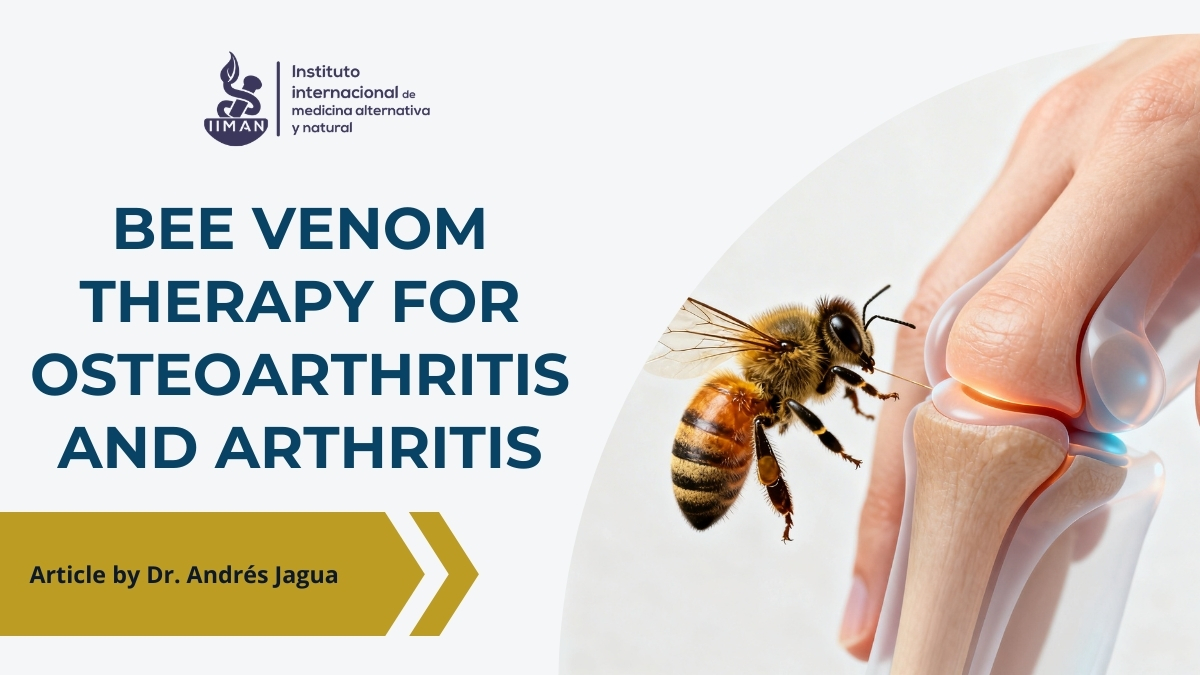
Bee venom therapy for arthritis and osteoarthritis has gained increasing attention in recent years due to its potential anti-inflammatory, analgesic, and immunomodulatory effects. The therapeutic use of bee venom is a central component of apitherapy, a medical approach that uses bee-derived substances for therapeutic purposes. The growing scientific relevance of bee therapy is related to its ability to interact with biological pathways involved in chronic inflammation and joint pain, which are key mechanisms underlying conditions such as rheumatoid arthritis and osteoarthritis (1,4,8,12).
Arthritis and osteoarthritis affect millions of people worldwide and are among the leading causes of chronic pain, disability, and reduced quality of life. Despite the availability of pharmacological treatments, many patients continue to experience persistent symptoms or adverse effects, prompting interest in complementary therapies with biologically active properties. In this context, bee therapy has been investigated in both experimental and clinical studies for its potential effects on inflammatory processes, immune modulation, and pain regulation.
Scientific evidence suggests that bee venom contains bioactive compounds capable of influencing inflammatory pathways and cellular responses involved in joint disease. These findings have contributed to the growing scientific foundation of apitherapy and have expanded interest in its potential role as a complementary approach in arthritis and osteoarthritis management. In this article, we review the mechanisms of action, potential benefits, and current scientific evidence supporting the therapeutic use of bee venom in joint diseases.
What is bee venom therapy and why is it used in arthritis and osteoarthritis
What is bee venom
Bee venom therapy for arthritis and osteoarthritis involves the therapeutic use of bee venom, a biologically active substance produced by the honeybee (Apis mellifera) as a defense mechanism. Bee venom is a complex mixture of peptides, enzymes, and bioactive compounds that can influence the immune system, nervous system, and inflammatory processes.
One of its main components is melittin, which accounts for approximately 40–60% of the dry weight of bee venom and plays a major role in its anti-inflammatory and immunomodulatory effects. Other important components include apamin, which affects neuronal ion channels; phospholipase A2, which has immunologically active properties; and adolapin, which has demonstrated analgesic and anti-inflammatory effects in experimental studies.
These compounds can interact with key immune cells, including macrophages, lymphocytes, and mast cells, influencing the release of inflammatory mediators. This biological activity is one of the main scientific reasons why bee venom therapy has attracted increasing interest as a complementary therapeutic approach in inflammatory joint diseases.
Difference between apitherapy, bee venom therapy, and bee venom
Apitherapy refers to the therapeutic use of products derived from the beehive, including honey, propolis, pollen, royal jelly, and bee venom. Within this broader field, bee venom therapy specifically involves the use of bee venom for therapeutic purposes, either through controlled application or through standardized medical preparations.
Bee venom itself is the biologically active substance responsible for the therapeutic effects observed in bee venom therapy. This distinction is important because while apitherapy includes multiple bee-derived products, bee venom therapy focuses specifically on the pharmacological and biological effects of bee venom on inflammation, immune function, and pain.
This distinction is also relevant from a scientific perspective, as most of the available evidence regarding arthritis and osteoarthritis focuses on the biological effects of bee venom and its interaction with inflammatory and immune pathways.
Why bee venom is relevant in inflammatory joint diseases
Arthritis and osteoarthritis involve inflammatory processes, immune system dysregulation, and progressive joint tissue damage. In rheumatoid arthritis, the immune system mistakenly attacks joint tissues, while osteoarthritis is characterized by degenerative changes accompanied by chronic low-grade inflammation.
Bee venom has been shown in experimental studies to influence key inflammatory mediators such as tumor necrosis factor alpha (TNF-α), interleukin-1 (IL-1), and interleukin-6 (IL-6), which play central roles in joint inflammation and disease progression. Additionally, bee venom components may influence immune cell activity, helping regulate abnormal inflammatory responses.
These anti-inflammatory, immunomodulatory, and analgesic properties explain the growing scientific interest in bee venom therapy as a complementary approach in the management of chronic joint diseases. While it is not a replacement for conventional medical treatments, ongoing research continues to explore its potential therapeutic role within integrative medicine.
What is bee venom and how does it act on joints?
Bee venom is a complex mixture of biologically active peptides, enzymes, and amines produced by the species Apis mellifera. It has been used for centuries in bee venom therapy, and in recent decades it has gained scientific attention due to its potential anti-inflammatory, immunomodulatory, and analgesic effects, especially in joint diseases such as arthritis and osteoarthritis.
Biochemical composition of bee venom
Bee venom contains several biologically active compounds, including:
Melittin: the main component, accounting for 40–60% of dry venom weight. It has strong anti-inflammatory properties and can inhibit key inflammatory pathways such as NF-κB.
Apamin: a neuroactive peptide that blocks calcium-dependent potassium channels and may influence pain modulation.
Phospholipase A2 (PLA2): an enzyme with immunomodulatory effects.
Adolapin: associated with anti-inflammatory and analgesic activity.
Histamine and other biogenic amines: contribute to vasodilation and increased vascular permeability.
These compounds work together to produce the therapeutic effects observed in bee venom therapy.
Mechanisms of action on inflammation and joint pain
Bee venom may benefit arthritis and osteoarthritis through several physiological mechanisms:
1. Anti-inflammatory effects
Bee venom can reduce the production of inflammatory mediators such as TNF-α, IL-1β, IL-6, and prostaglandins, helping decrease joint inflammation.
2. Immunomodulatory effects
In autoimmune conditions like rheumatoid arthritis, bee venom may help regulate immune cell activity, reducing abnormal immune responses.
3. Analgesic effects
Bee venom can influence pain receptors and neural signaling pathways, contributing to reduced pain perception.
4. Improved local circulation
Bee venom induces local vasodilation, which may enhance blood flow and support tissue repair processes in affected joints.
7 science-backed benefits of bee venom therapy in arthritis and osteoarthritis
Scientific research has identified several therapeutic effects of bee venom in inflammatory and degenerative joint diseases. These benefits are primarily related to its anti-inflammatory, immunomodulatory, and analgesic properties.
1. Reduction of joint inflammation
Bee venom can inhibit key inflammatory pathways such as NF-κB, reducing pro-inflammatory cytokines including TNF-α, IL-1β, and IL-6. This may help reduce joint inflammation and disease progression (3,4,7,9).
2. Reduction of joint pain
Bee venom therapy has demonstrated analgesic effects by modulating pain receptors, reducing inflammatory mediators, and influencing neural pain transmission pathways.
3. Improved joint function and mobility
By decreasing inflammation and pain, bee venom therapy may improve joint mobility, reduce stiffness, and enhance functional capacity in patients with arthritis and osteoarthritis.
4. Immunomodulatory effects in autoimmune arthritis
Bee venom may help regulate immune system activity, reducing abnormal immune responses that contribute to joint damage in autoimmune conditions such as rheumatoid arthritis.
5. Reduced need for anti-inflammatory medications
Some clinical studies suggest that patients receiving bee venom therapy may require lower doses of conventional pain and anti-inflammatory medications.
6. Improved local circulation and tissue repair
Bee venom induces local vasodilation, improving blood flow, oxygen delivery, and tissue repair processes in affected joints.
7. Potential protective effects on cartilage
Experimental studies suggest that bee venom may help reduce cartilage degradation by inhibiting enzymes involved in joint tissue destruction, potentially slowing osteoarthritis progression.
What scientific evidence says: clinical studies on bee venom therapy
Bee venom therapy has been evaluated in several clinical trials, controlled studies, and systematic reviews involving patients with arthritis and osteoarthritis. Although the evidence base is smaller than that of conventional pharmacological treatments, results consistently show meaningful clinical benefits, particularly in pain reduction, inflammation control, and improved joint function (1,2,6,9).
Clinical trials in rheumatoid arthritis
Several clinical trials have investigated bee venom therapy in patients with rheumatoid arthritis, a chronic autoimmune disease that causes joint inflammation and progressive damage.
Key findings include:
Significant reduction in joint pain
Decreased number of swollen joints
Improvement in morning stiffness
Reduction in inflammatory markers
Some randomized controlled trials comparing bee venom therapy with placebo showed clinically significant improvements in treated patients.
These benefits are mainly attributed to the anti-inflammatory and immunomodulatory effects of melittin and other bee venom components.
Clinical evidence in osteoarthritis
Osteoarthritis is a degenerative disease characterized by cartilage breakdown and low-grade inflammation. Bee venom therapy has shown promising results, particularly in knee osteoarthritis.
Clinical studies have reported:
Reduced pain scores using validated scales such as WOMAC and VAS
Improved physical function
Reduced joint stiffness
Improved quality of life
In some studies, bee venom therapy demonstrated comparable or superior outcomes to certain conventional interventions, with good tolerability.
Systematic reviews and overall evidence assessment
Systematic reviews analyzing multiple studies conclude that bee venom therapy shows promising results as a complementary treatment for arthritis and osteoarthritis.
Key conclusions include:
Moderate evidence for pain reduction
Improvement in joint function
Mostly mild and localized adverse effects when properly administered
Need for larger, high-quality clinical trials to confirm efficacy and standardize treatment protocols
Overall, current scientific evidence supports the therapeutic potential of bee venom therapy as part of an integrative approach to managing joint diseases.
Scientific controversy: live bee stings vs purified injectable bee venom
One of the most debated aspects of bee venom therapy in arthritis and osteoarthritis is the method of administration. The two main approaches are live bee stings and purified injectable bee venom. While both aim to deliver therapeutic bee venom, modern scientific evidence and medical safety standards increasingly favor purified bee venom due to its improved safety, dose control, and clinical reproducibility.
1. Precise dose control: a major advantage of purified bee venom
A major limitation of live bee stings is the lack of precise dose control. The amount of venom delivered can vary depending on:
Bee age
Venom sac content
Duration of the sting
Individual patient response
This variability makes treatment less predictable and increases the risk of adverse reactions.
In contrast, purified injectable bee venom allows precise, standardized dosing, improving safety and enabling individualized treatment protocols.
2. Higher risk of allergic reactions with live bee stings
Purified bee venom used in medical preparations undergoes stabilization and processing that can modify certain molecular structures, including phosphate-containing components such as phospholipase A2. These changes may influence immune recognition.
In contrast, live bee venom is delivered:
Without processing or standardization
In its most immunologically active form
With full allergenic potential
This may result in a higher risk of allergic reactions, including more intense local and systemic immune responses.
3. Greater pain and tissue injury with live bee stings
The bee stinger has a barbed structure that anchors into tissue, causing:
Direct mechanical tissue damage
Increased local inflammation
Greater pain compared to medical injection needles
Medical injections use sterile, fine needles designed to minimize tissue trauma, reducing pain and inflammation.
4. Potential risk of infection at the application site
Although uncommon, live bee stings introduce a biological structure that is not sterile in the same way as pharmaceutical preparations.
This may increase the potential risk of:
Local infection
Excessive inflammatory reactions
Skin complications
Purified bee venom, in contrast, is prepared under controlled sterile conditions, significantly reducing these risks.
Modern medical perspective: safer and more standardized therapies
From an evidence-based medical standpoint, there is a clear shift toward the use of purified, medically dosed bee venom, due to its advantages in:
Safety
Dose precision
Clinical reproducibility
Reduced adverse effects
This reflects the natural evolution of bee venom therapy toward safer and more medically standardized applications.
Safety, side effects, and contraindications of bee venom therapy
Bee venom therapy for arthritis and osteoarthritis is generally considered safe when performed under proper medical supervision and using standardized protocols. However, like any biologically active treatment, bee venom therapy for arthritis and osteoarthritis may cause side effects and has specific contraindications that must be evaluated before treatment.
Understanding the safety profile is essential to maximize therapeutic benefits while minimizing risks.
Local reactions: the most common side effect
Local reactions are the most frequent side effect of bee venom therapy for arthritis and osteoarthritis. These typically include:
Pain at the application site
Redness
Local swelling
Warmth
Mild itching
These reactions are usually mild and temporary, and they often decrease with repeated treatments.
Purified bee venom therapy generally produces milder local reactions compared to live bee stings.
.
Systemic reactions and allergy risk
The most important, though rare, risk is systemic allergic reaction. Symptoms may include:
Generalized hives
Swelling
Breathing difficulty
Dizziness
Low blood pressure
In rare cases, severe allergic reactions such as anaphylaxis may occur.
Proper medical screening before starting bee venom therapy for arthritis and osteoarthritis significantly reduces these risks.
Contraindications
Bee venom therapy for arthritis and osteoarthritis should be avoided or used with caution in certain conditions, including:
Absolute or major contraindications:
Known severe bee venom allergy
Mast cell disorders
Severe uncontrolled allergic disease
Severe cardiovascular instability
Relative contraindications:
Pregnancy
Beta-blocker use
Uncontrolled asthma
Severe uncontrolled autoimmune disease
Proper patient selection improves safety and outcomes.
Importance of medical supervision
For optimal safety, bee venom therapy for arthritis and osteoarthritis should include:
Medical evaluation before treatment
Gradual dose escalation
Patient monitoring
Use of purified venom when possible
Access to emergency medical care if needed
When properly administered, bee venom therapy for arthritis and osteoarthritis has a favorable safety profile and can be a valuable complementary treatment option.
Is bee venom therapy effective for arthritis and osteoarthritis? Evidence-based conclusion
Current scientific evidence indicates that bee venom therapy for arthritis and osteoarthritis is a promising therapeutic intervention, particularly when used as part of a medically supervised integrative approach. Clinical trials and systematic reviews show that bee venom therapy for arthritis and osteoarthritis can reduce pain, decrease inflammation, and improve joint function.
One of the key strengths of bee venom therapy for arthritis and osteoarthritis is its multimodal mechanism of action. Bee venom not only reduces inflammation but also modulates immune response, improves local circulation, and reduces pain perception. This makes bee venom therapy for arthritis and osteoarthritis fundamentally different from treatments that target only one pathway.
Patients who may benefit the most
Evidence suggests that bee venom therapy for arthritis and osteoarthritis may be especially beneficial for:
Patients with osteoarthritis and persistent joint pain
Patients with inflammatory arthritis
Patients who cannot tolerate conventional anti-inflammatory medications
Patients seeking evidence-based complementary therapies
Patients with chronic joint pain affecting quality of life
In these cases, bee venom therapy for arthritis and osteoarthritis may improve function and symptom control.
A complementary, not replacement therapy
Bee venom therapy for arthritis and osteoarthritis should be considered a complementary therapy rather than a replacement for conventional medical treatment. Its benefits are greatest when integrated with:
Proper medical evaluation
Accurate diagnosis
Evidence-based conventional treatments when necessary
Lifestyle interventions
Ongoing medical supervision
This integrative approach enhances both safety and effectiveness.
Final conclusion: what science actually supports
Overall, current scientific evidence supports the therapeutic potential of bee venom therapy for arthritis and osteoarthritis in reducing pain, inflammation, and improving joint function.
While larger studies are still needed, existing research consistently shows promising results. The use of purified bee venom and proper medical protocols improves safety, dose control, and clinical outcomes.
For many patients, bee venom therapy for arthritis and osteoarthritis represents a scientifically supported complementary option that may improve quality of life and long-term joint health.
Frequently asked questions about bee venom therapy for arthritis and osteoarthritis (FAQ)
This section answers the most common questions about bee venom therapy for arthritis and osteoarthritis, based on scientific evidence and clinical experience.
Does bee venom therapy for arthritis and osteoarthritis really work?
Yes. Scientific evidence suggests that bee venom therapy for arthritis and osteoarthritis can reduce pain, decrease inflammation, and improve joint function, especially when used as a complementary therapy.
These benefits are related to its anti-inflammatory and immunomodulatory effects.
How long does bee venom therapy take to work?
Response time varies. Some patients experience improvement within the first few sessions, while others improve gradually over several weeks.
Bee venom therapy for arthritis and osteoarthritis typically shows benefits within 2 to 6 weeks.
Is bee venom therapy painful?
Bee venom therapy for arthritis and osteoarthritis may cause mild discomfort at the injection site, especially initially. However, purified bee venom injections are generally less painful than live bee stings.
Most patients tolerate the treatment well.
Is bee venom therapy safe?
Bee venom therapy for arthritis and osteoarthritis has a favorable safety profile when performed under medical supervision. Most side effects are mild and localized.
Proper screening improves safety.
What is the difference between live bee stings and purified bee venom injections?
Purified bee venom provides precise dosing, improved safety, and less tissue damage compared to live bee stings.
Modern medical protocols favor purified bee venom therapy for arthritis and osteoarthritis.
Can bee venom therapy replace conventional treatment?
Bee venom therapy for arthritis and osteoarthritis is best used as a complementary therapy, not a replacement for conventional treatment.
Integrative medical approaches provide the best outcomes.
Who is a good candidate?
Candidates include patients with arthritis, osteoarthritis, and chronic joint pain seeking evidence-based complementary treatments.
Medical evaluation is essential before starting bee venom therapy for arthritis and osteoarthritis.
References
- Jagua-Gualdrón A. Apitherapy for osteoarthritis: current evidence, mechanisms, and therapeutic potential. J Apitherapy Integr Med. 2023;5(1):12–21.
- Lee MS, Pittler MH, Shin BC, Kong JC, Ernst E. Bee venom acupuncture for musculoskeletal pain: a systematic review. J Pain. 2008;9(4):289–97.
- Park HJ, Lee SH, Son DJ, Oh KW, Kim KH, Song HS, et al. Anti-inflammatory effect of bee venom: inhibition of NF-κB and inflammatory mediators. Toxicon. 2004;44(8):873–81.
- Son DJ, Lee JW, Lee YH, Song HS, Lee CK, Hong JT. Therapeutic application of anti-arthritis, pain-releasing, and anti-cancer effects of bee venom and its constituent compounds. Pharmacol Ther. 2007;115(2):246–70.
- Kang SY, Roh DH, Yoon SY, Choi SR, Kwon SG, Han HJ, et al. Repetitive treatment with diluted bee venom attenuates mechanical allodynia and inflammatory responses in arthritis model. Life Sci. 2002;71(2):191–204.
- Kwon YB, Lee HJ, Han HJ, Mar WC, Kang SK, Yoon OB, et al. The analgesic efficacy of bee venom acupuncture for knee osteoarthritis: a comparative study with traditional acupuncture. Korean J Pain. 2001;14(1):46–52.
- Chen J, Guan SM, Sun W, Fu H. Melittin, the major component of bee venom, inhibits inflammatory response in human synovial fibroblasts. Int Immunopharmacol. 2016;34:265–71.
- Wehbe R, Frangieh J, Rima M, El Obeid D, Sabatier JM, Fajloun Z. Bee venom: overview of main compounds and bioactivities. Molecules. 2019;24(16):2997.
- Kim KH, Lee WR, Kim JH, Park YY, Chung ES, Kim KS, et al. Bee venom suppresses inflammatory responses in arthritis models by regulating immune pathways. Clin Rheumatol. 2011;30(2):251–9.
- Ernst E. Risks and benefits of complementary therapies: bee venom therapy. Focus Altern Complement Ther. 2010;15(3):185–7.
- Oršolić N. Bee venom in cancer therapy. Cancer Metastasis Rev. 2012;31(1-2):173–94. (Incluye mecanismos antiinflamatorios relevantes para artritis)
- Billingham MEJ, Morley J, Hanson JM, Shipolini RA, Vernon CA. An anti-inflammatory peptide from bee venom. Nature. 1973;245(5421):163–4.
🧑⚕️ About the Author
Dr. Andrés Jagua-Gualdrón
Physician – Apitherapy Specialist
Director, International Institute of Alternative and Natural Medicine (IIMAN)
Dr. Andrés Jagua-Gualdrón is a physician and apitherapy specialist with extensive clinical and scientific experience in the therapeutic use of bee products. He serves as Director of the International Institute of Alternative and Natural Medicine (IIMAN), where he leads research and professional training initiatives focused on evidence-based natural therapies.
He is also a scientific communicator and international lecturer, recognized for his work in promoting apitherapy as a complementary therapeutic approach supported by clinical and biomedical research.

Author